If you’ve booked a trip to Scotland to walk the West Highland Way, or you’re still in the research phase of planning a getaway- these 20 helpful tips will help ensure your preparedness.
- A map is your best friend: Having a specific West Highland Way map cannot be understated. The map will help you plan how far to walk each day, and what facilities there are along the Way.
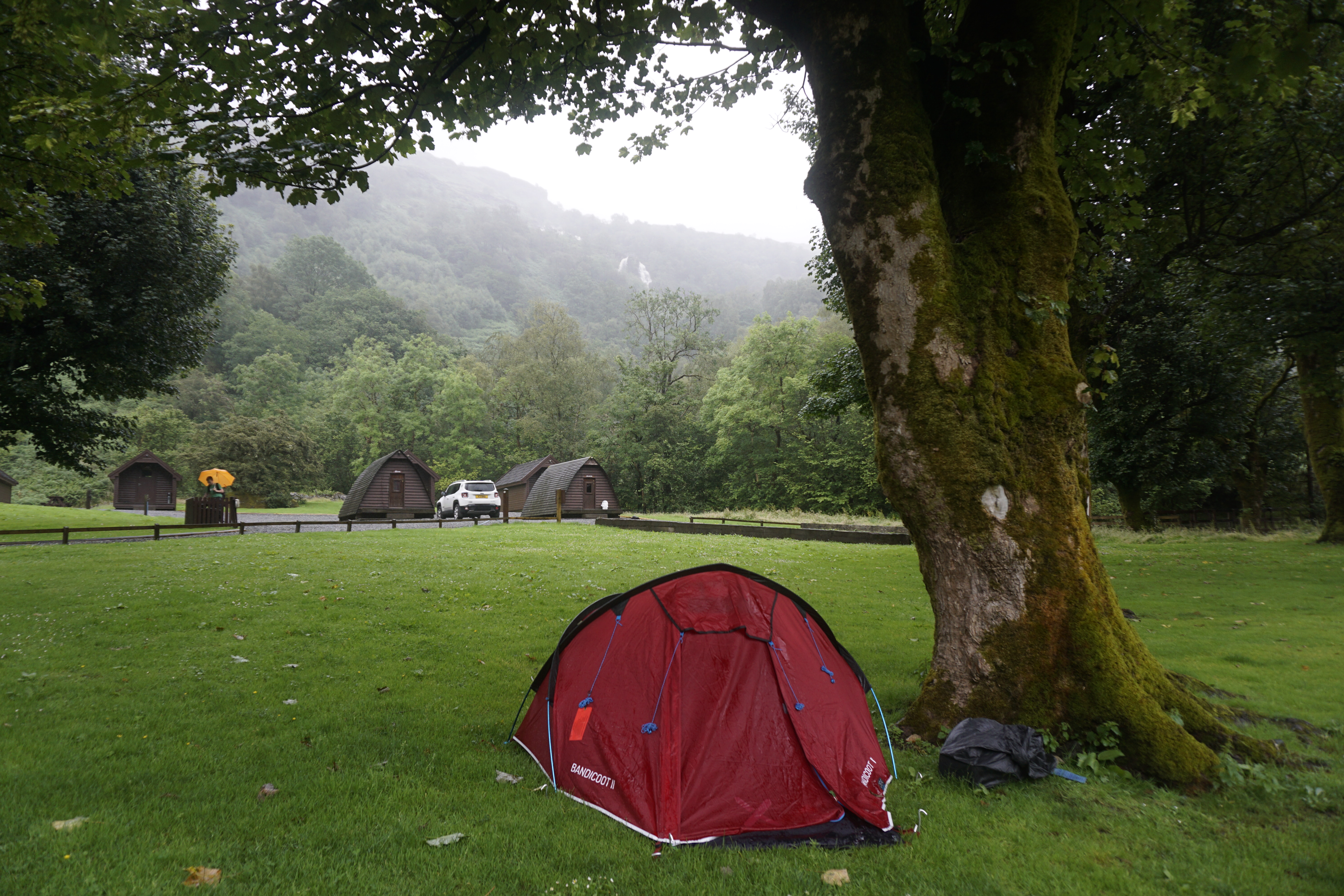
- There are many accommodation options along the way:
– Free camping (check your map for guidance on where to free camp)
– Paid camping with facilities (toilets, showers, general store, laundry, dish sink. Generally you won’t need to book in advance)
– Hotels (book in advance during summer, as they can be quite busy)
– Hostels (a cheaper alternative to hotels, also book in advance)
– Bunkhouse (just like a hostel, book in advance)
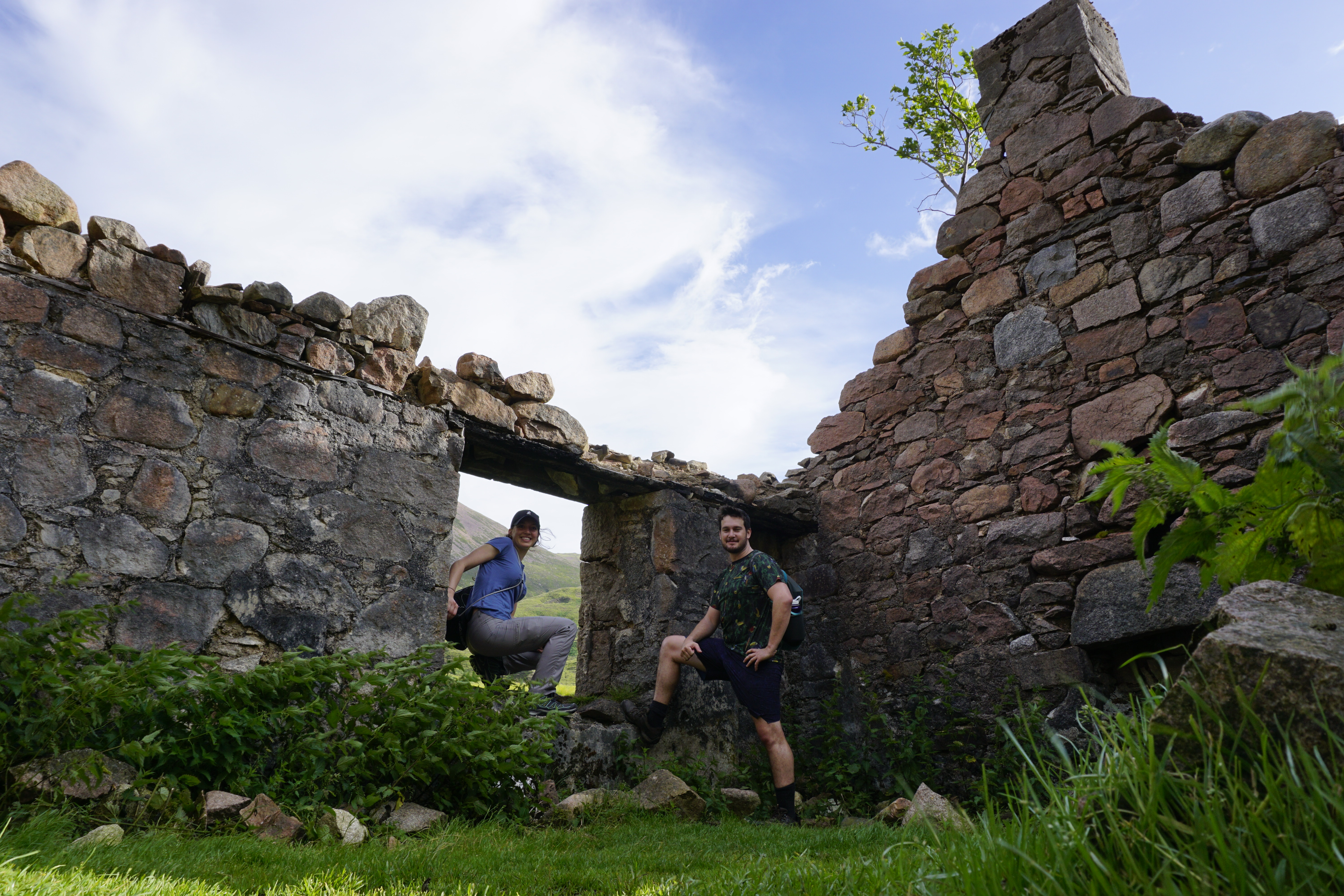
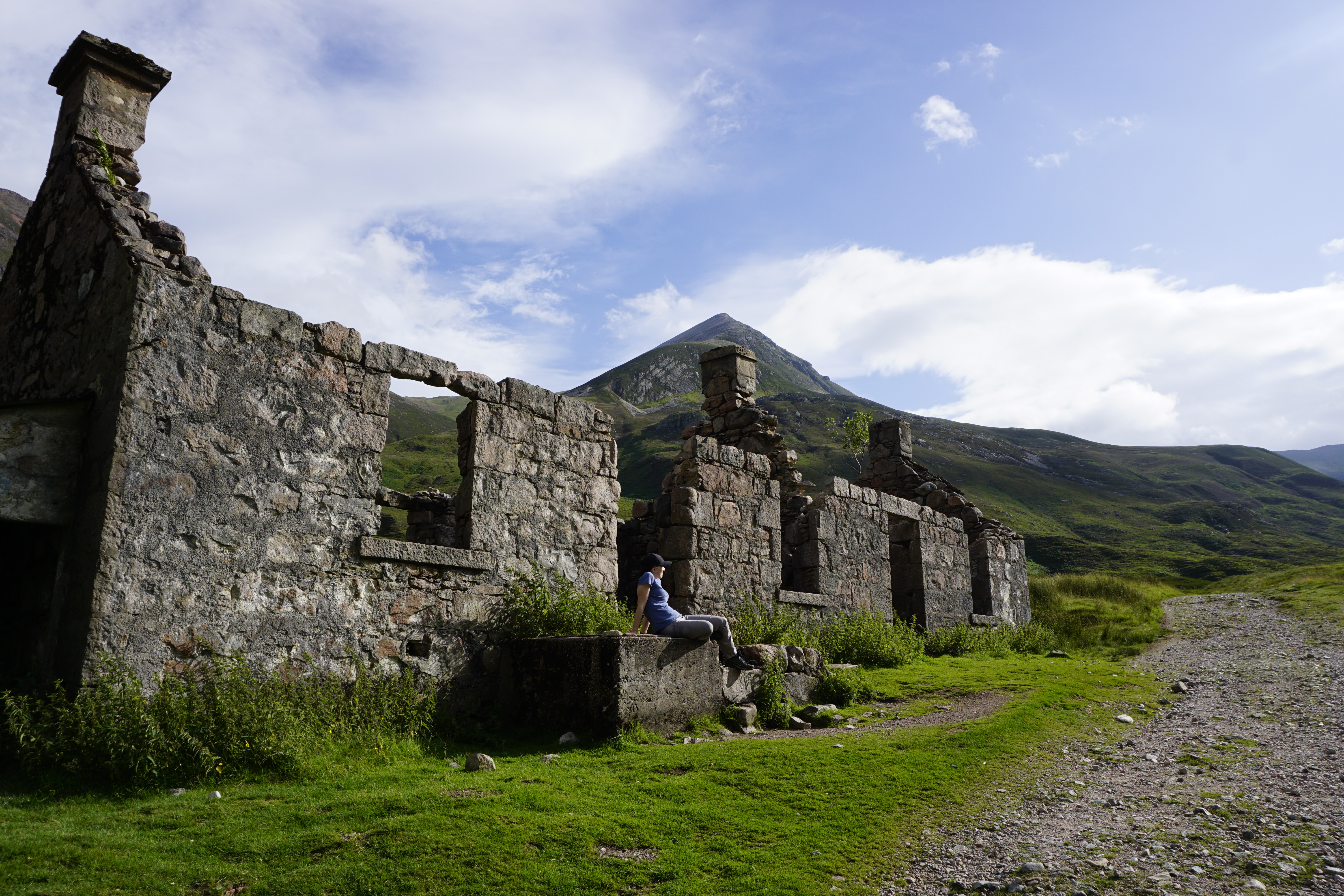
– Bothy (an old building where you can set up your sleeping arrangements or take shelter from the rain. Some have fireplaces, chairs, and or desks)
– Glamping pods (A cosy hobbit looking house which can sleep up to 6 people depending on the size. They’re affordable if you’re walking with other people) - Plan ahead on where you’ll be sleeping: There are a few ‘no free camp zones’ along the West Highland Way, especially between mile 18 (Clonic Hill) and mile 28.5 (Ptarmigan lodge); so check your map, and plan where your end goal to camp is, whether it be in a wild camping zone, or at a camping establishment. It’s not a good feeling when you’ve walked between 12-16 miles and can’t find a place to stay; so it’s very important to book bunker houses, hostels, and hotels ahead of time as the accommodation along the Way can get very busy during summer.
- Consider the sun when pitching a tent, and planning your days walk: Since during summer the sun doesn’t set until 10pm, you’ll have plenty of time to pace yourself throughout the day. In addition, you’ll need to consider where you pitch your tent, as you don’t want the afternoon sun to heat up your tent while you’re trying to sleep!
- Always carry at least ₤50 cash: lots of unexpected costs may come up on your walk that you can only pay with cash:
– Washing and drying machines at campsites with facilities
– Baggage carrying service
– ₤1 operated showers (only came across this in Glencoe Mountain Resort)
– Pool table in pubs
– Ferrys across Loch Lomond (up to ₤10)
– Some drying rooms
The ATM around halfway at Tyndrum was out of order due to being withdrawn. Make sure you’re not relying on coming across an ATM for money, as the chances are a lot of people are. - Get used to having minimal phone battery, or bring a charger bank: If you’re a fanatic phone lover, bring a charger bank as some pubs along the Way don’t have power points for your perusal and if you’re camping there’ll be even limited options for charging your phone.
- Taps should be worshiped: Bring 3L of water capability and fill up at a tap whenever you can. If you’re passing through a town, take that opportunity to fill up your water bottle. Between places like Rowardennan and Inversnaid (7 miles), there is naught but the Loch to fill up. A gentleman passed my campsite around mile 29 one hot afternoon begging me for water. Let that not be you. If you’ve got a life straw be sure to bring that as well.
- Plan your main meals: based on where you’ve planned to sleep, you’re able to pack food accordingly. For example, you may plan to stay at Tyndrum on your third night and have a pub meal, meaning one less nights worth of dinner to carry. Any little bit to make the load lighter!
- Expect blisters: It’s inevitable that you’ll form some blisters. The best remedy to this is to wear in your hiking boots before the walk, and carry at least 2 Scholl blister packs. When you begin to feel a rubbing section anywhere on your feet, immediately put a blister sticker on the spot and leave it for the rest of the walk. This should stop it from getting any worse.
- The first day is the hardest: The first day will be the worst as your body is adjusting to the mountain of weight you’re carrying and the long distance that you’re walking. Don’t loose faith, remember to stretch, and remind yourself that tomorrow you’ll be stronger.
- Wear a proper hiking backpack: You need a backpack that evenly distributes the weight onto your shoulders, back, and hips, as well as having airflow. Without even weight distribution, you’ll become very sore in one spot, and without airflow behind your back, you’ll potentially end up soaking your clean clothes inside your bag with sweat (like silly old me).
- Take laundry opportunities whenever they arise: There’s no better feeling than walking with a backpack of clean clothes. Also remember to bring some form of laundry detergent.
- You can arrange baggage transfer on the day: If you’ve had a rough walk, your back is too sore, it’s pouring rain, or you’ve decided to push 20 miles in one day, you can arrange for your baggage to be transported to your destination from the campsite/hostel/hotel/bunkhouse that you’ve stayed at for a ₤7 fee. So long as you have your bag ready for collection by 9am. This is one of the cash only opportunities I mentioned earlier.
- Buy midge repellents!! These little suckers will bother you when you’re setting up your tent, walking, cooking, or practically just existing. They can leave you itchy, scabby, and covered in welts. Getting a midge spray for your skin, wearing long sleeve clothes, and wearing a midge face net will enhance your experience tenfold. Also carrying an anti itch salve will help for when you do get bitten.
- Slip, slop and slap: During summer you could potentially be walking all day in the sun. Slip on a long sleeve shirt, slop on some sunscreen, and slap on a hat. A neck protector is also worth it’s weight in gold. It’d be quite a challenge walking with sore muscles AND sore skin.
- Thongs are your second best friend: At the end of a long days hike, there’s no better feeling than taking off your stinkin’ shoes. Make sure you bring a pair of thongs or sliders for your evening jaunts. Your feet will love you for it.
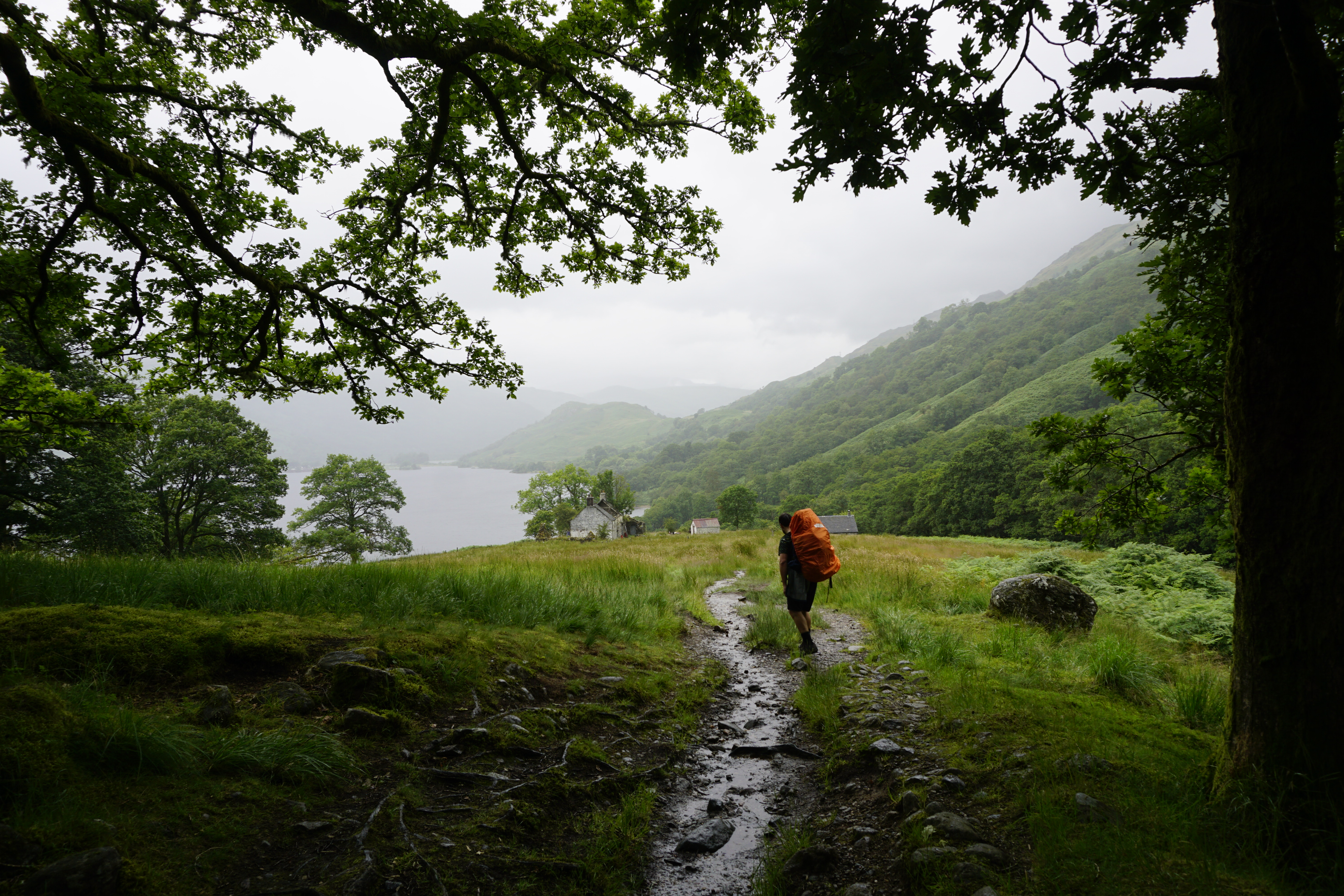
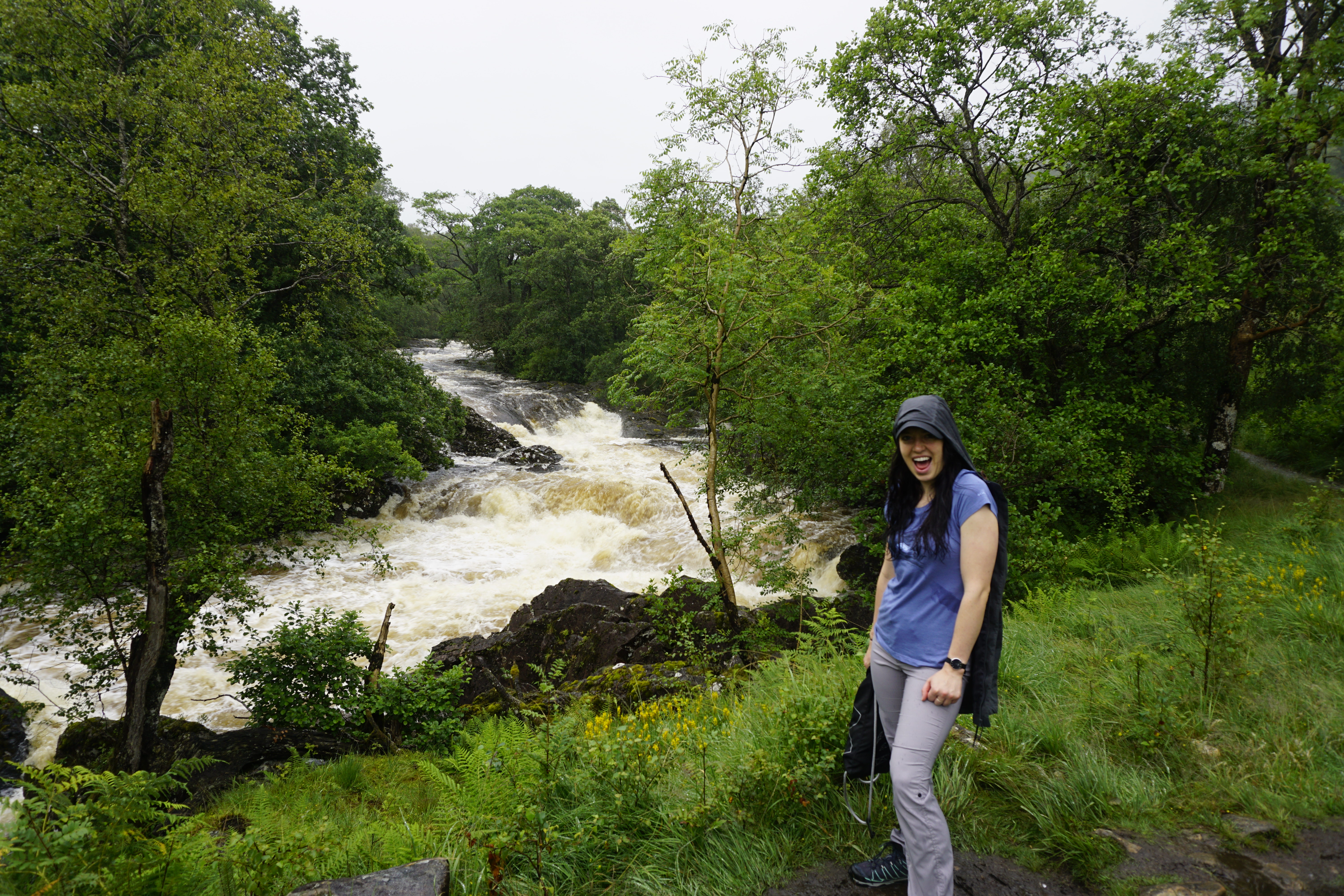
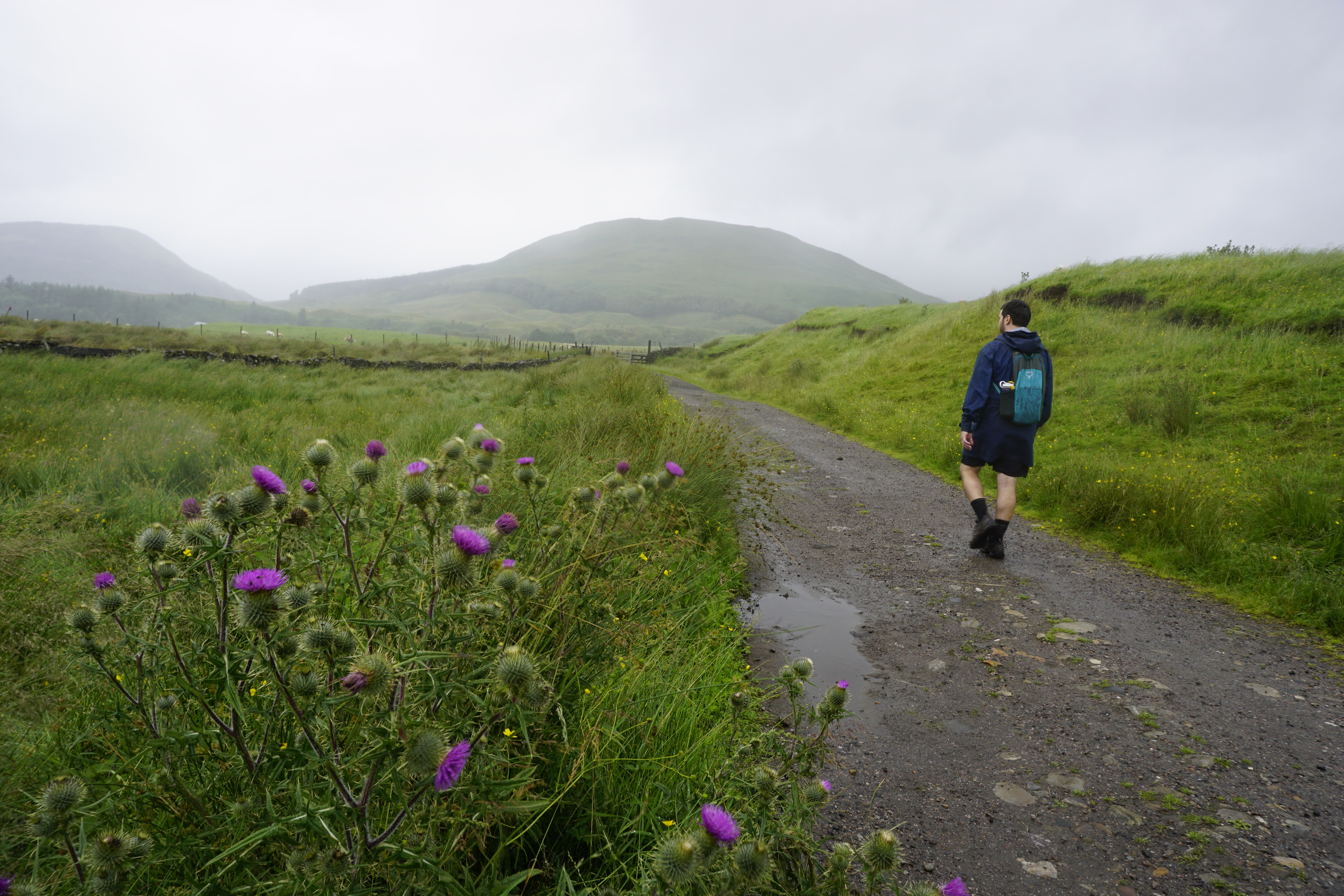
- You will be rained on: At some point along your journey, it will rain. It’s ideal to carry a raincoat and a waterproof bag cover. There’s nothing worse than wet gear.
- There will be opportunities to dry your gear: At a handful of campsites and hotels along the Way, there will be ‘drying rooms’ where you can leave your wet shoes, clothes, bag, towels etc to dry overnight.
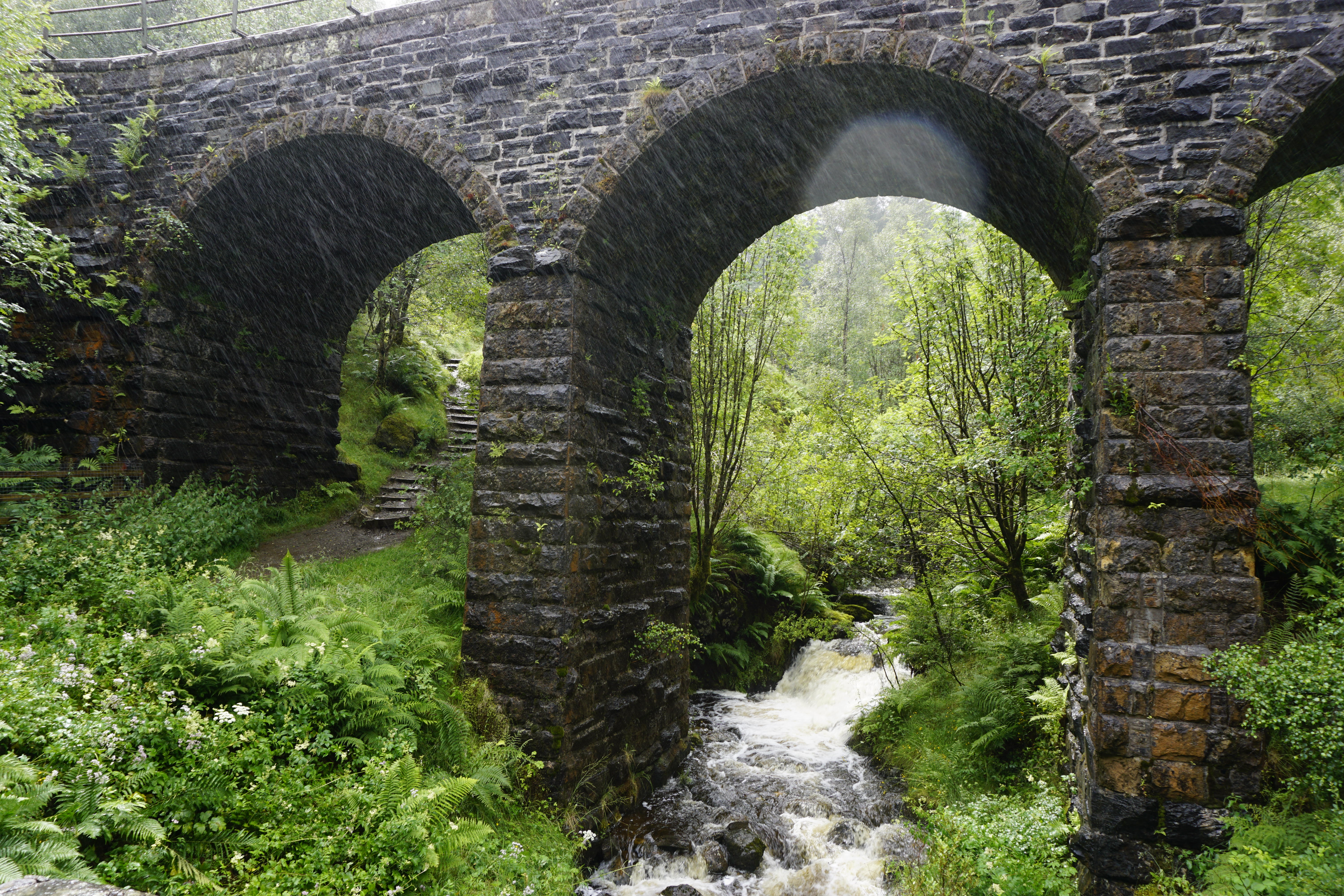
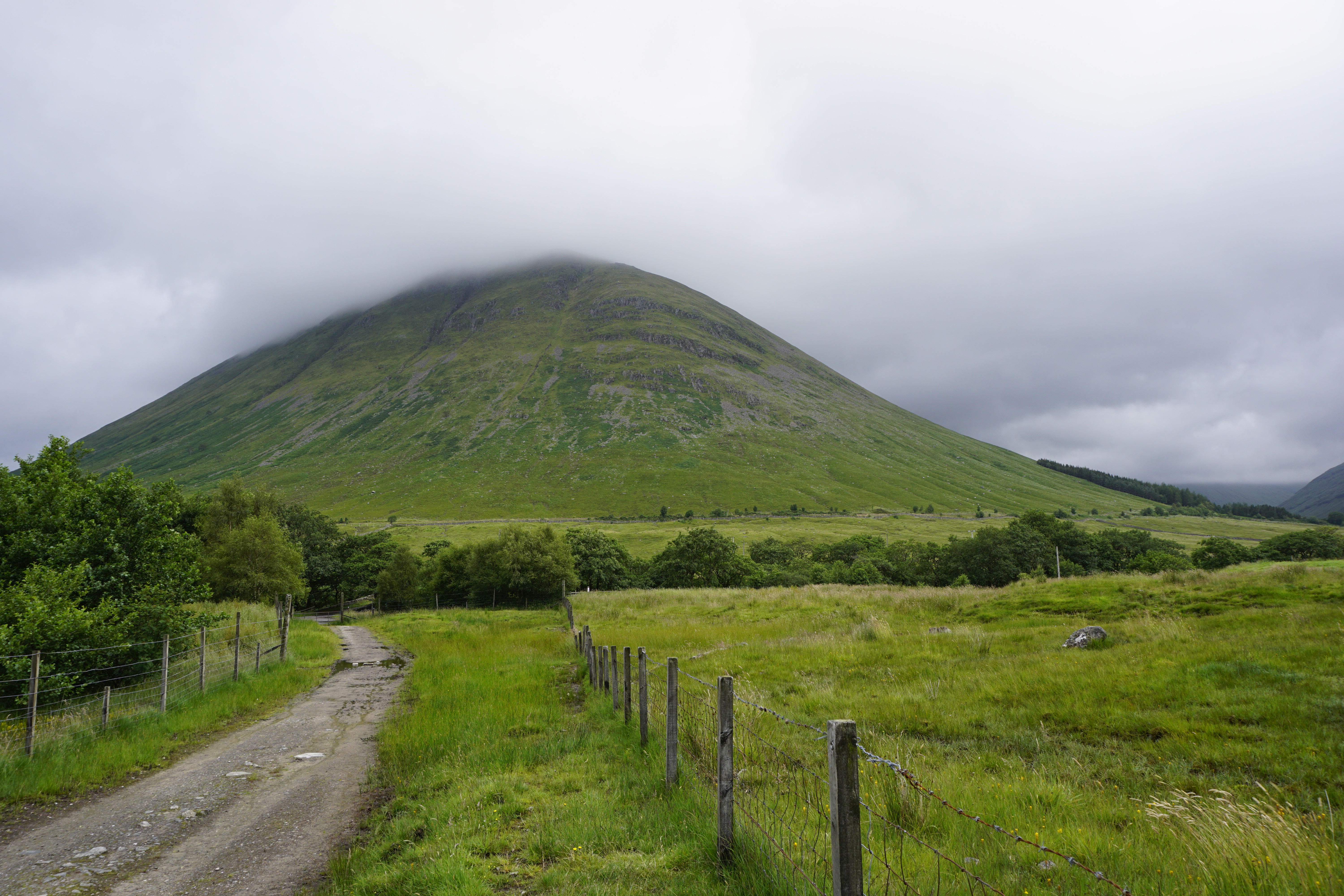
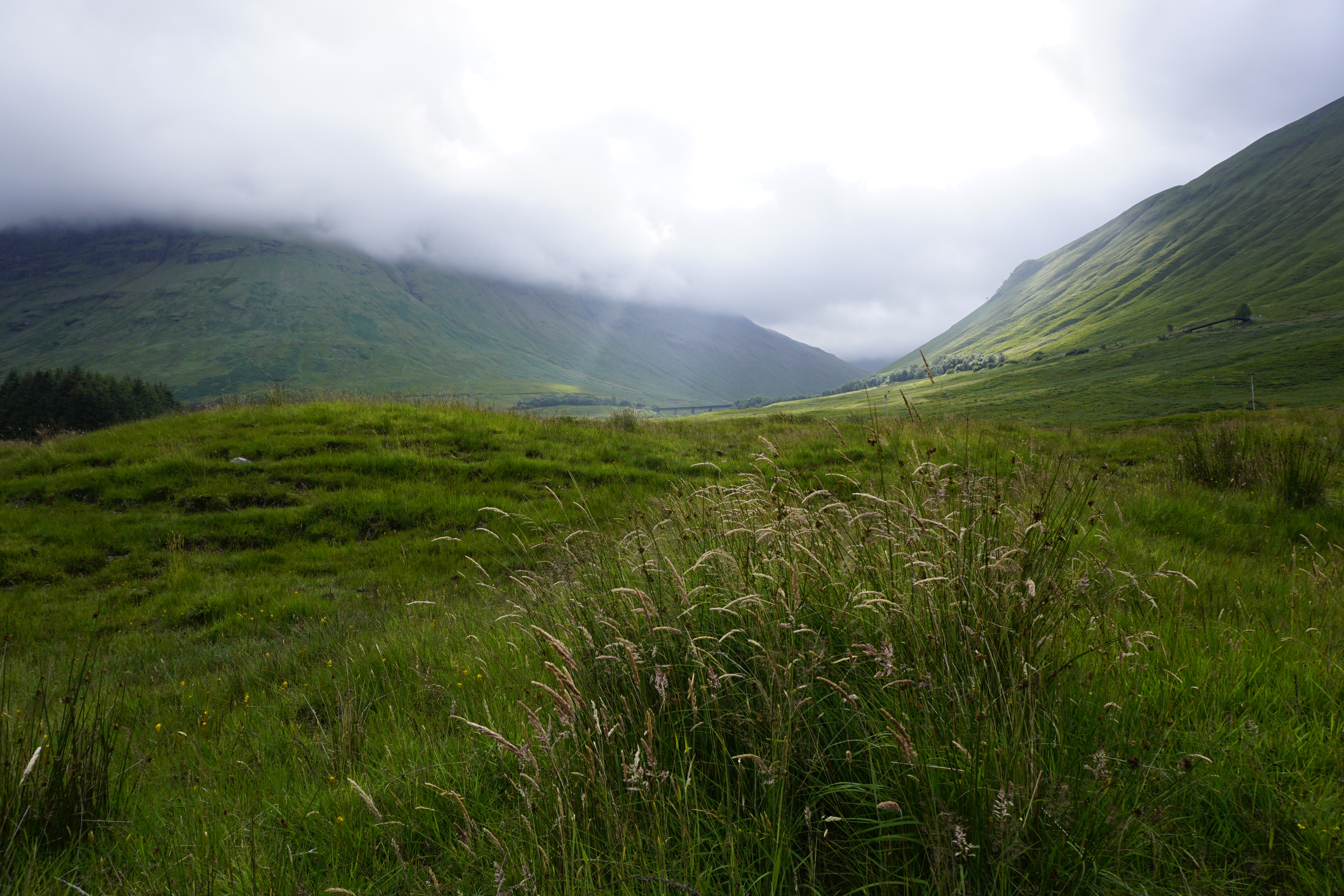
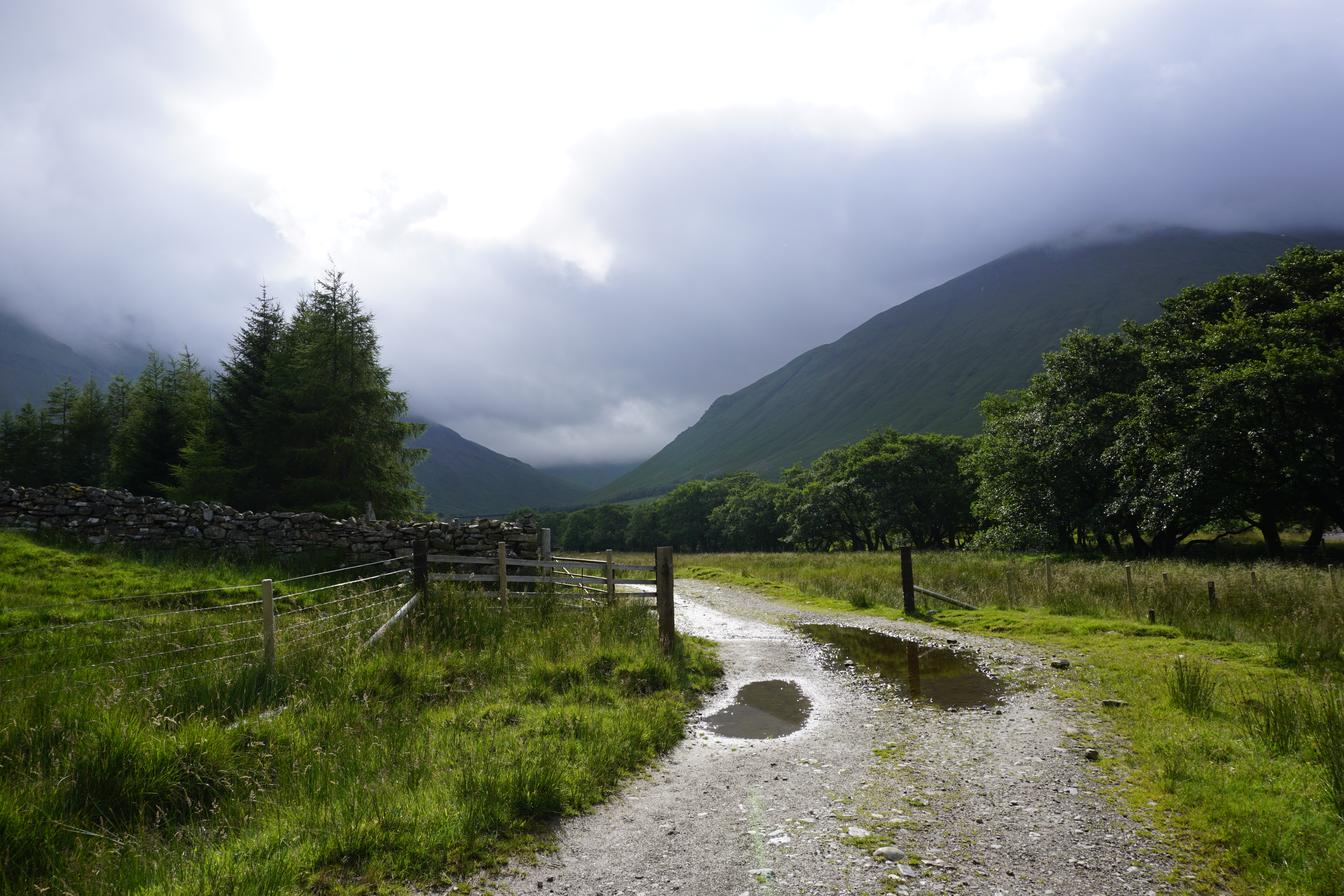
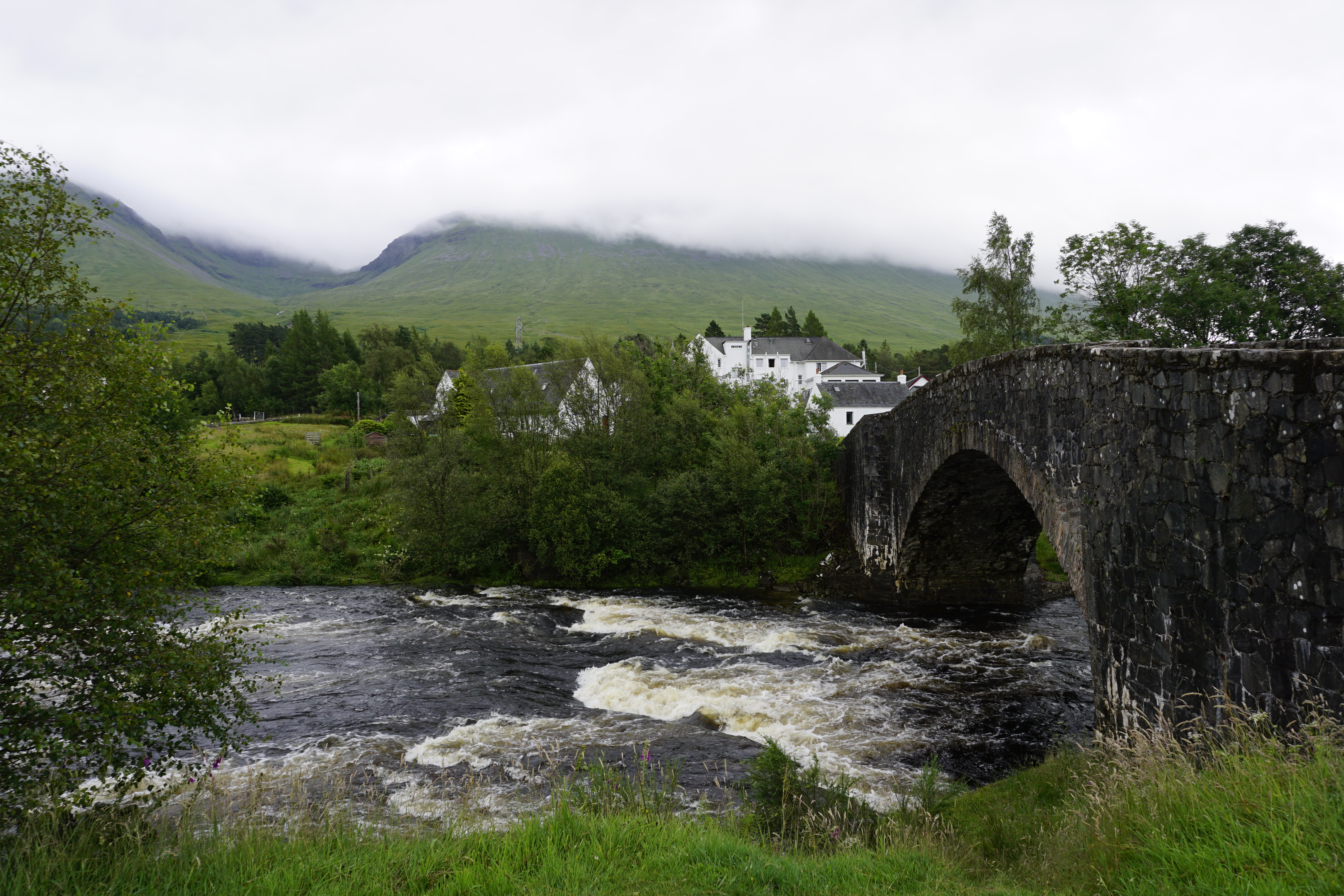
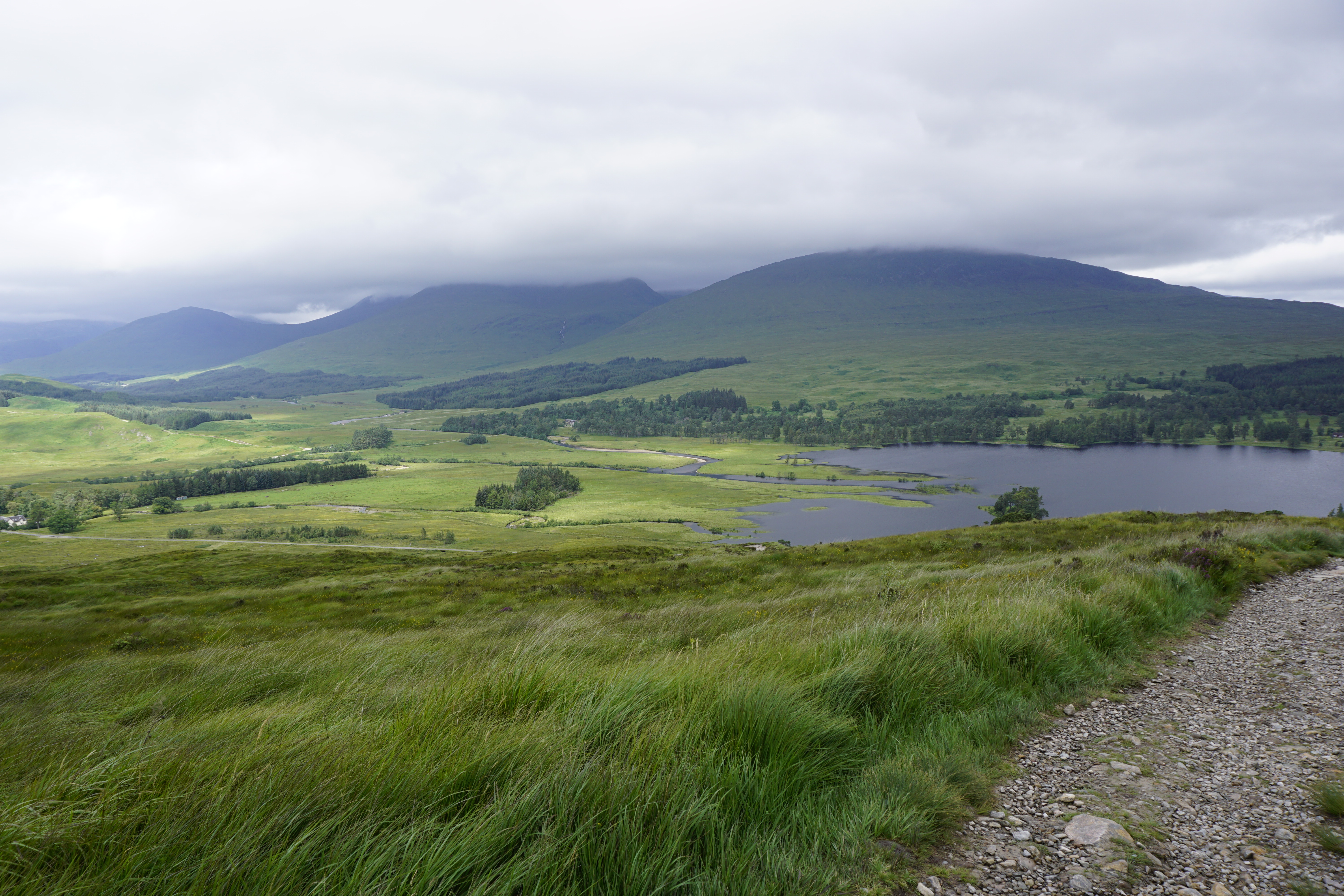
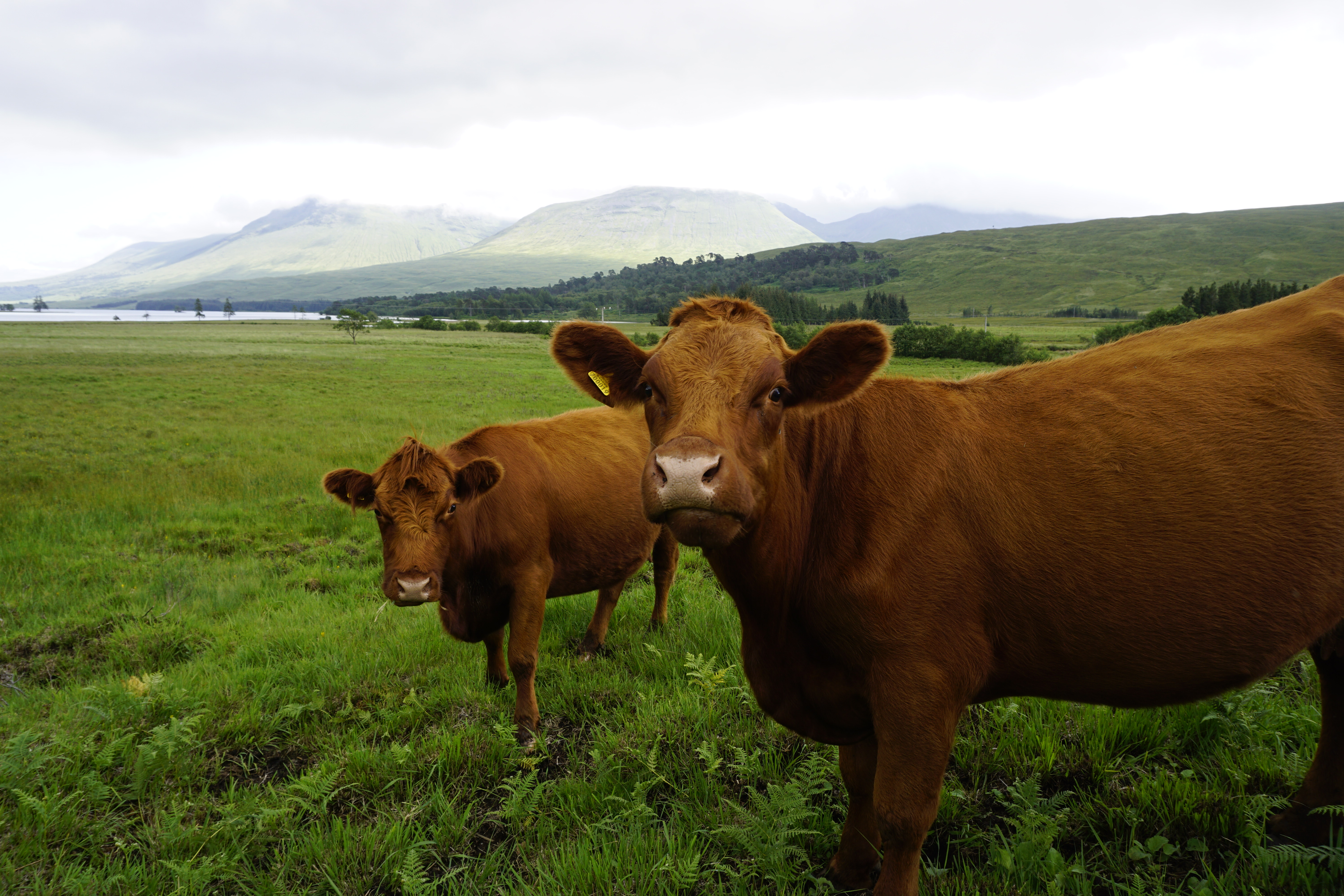
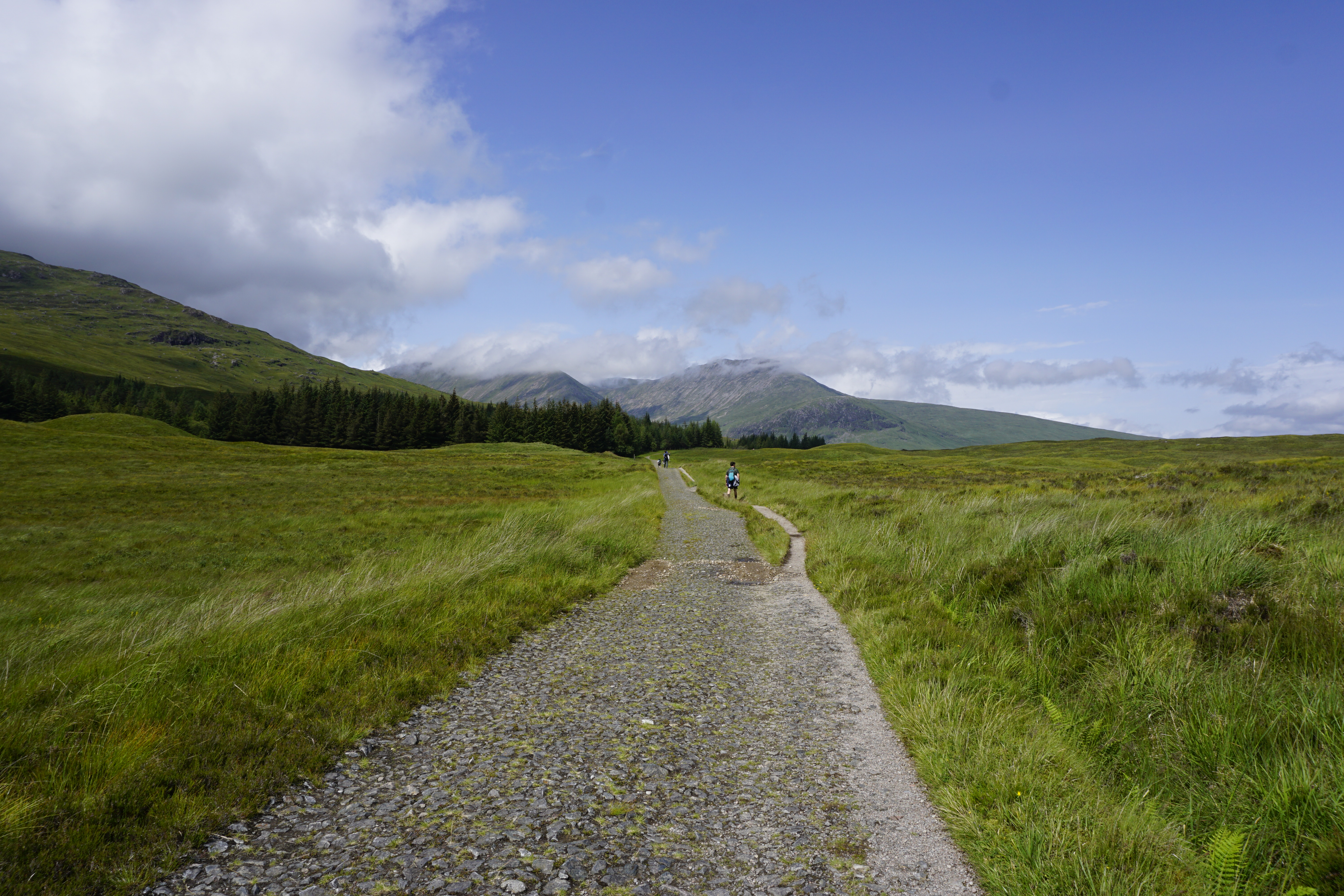
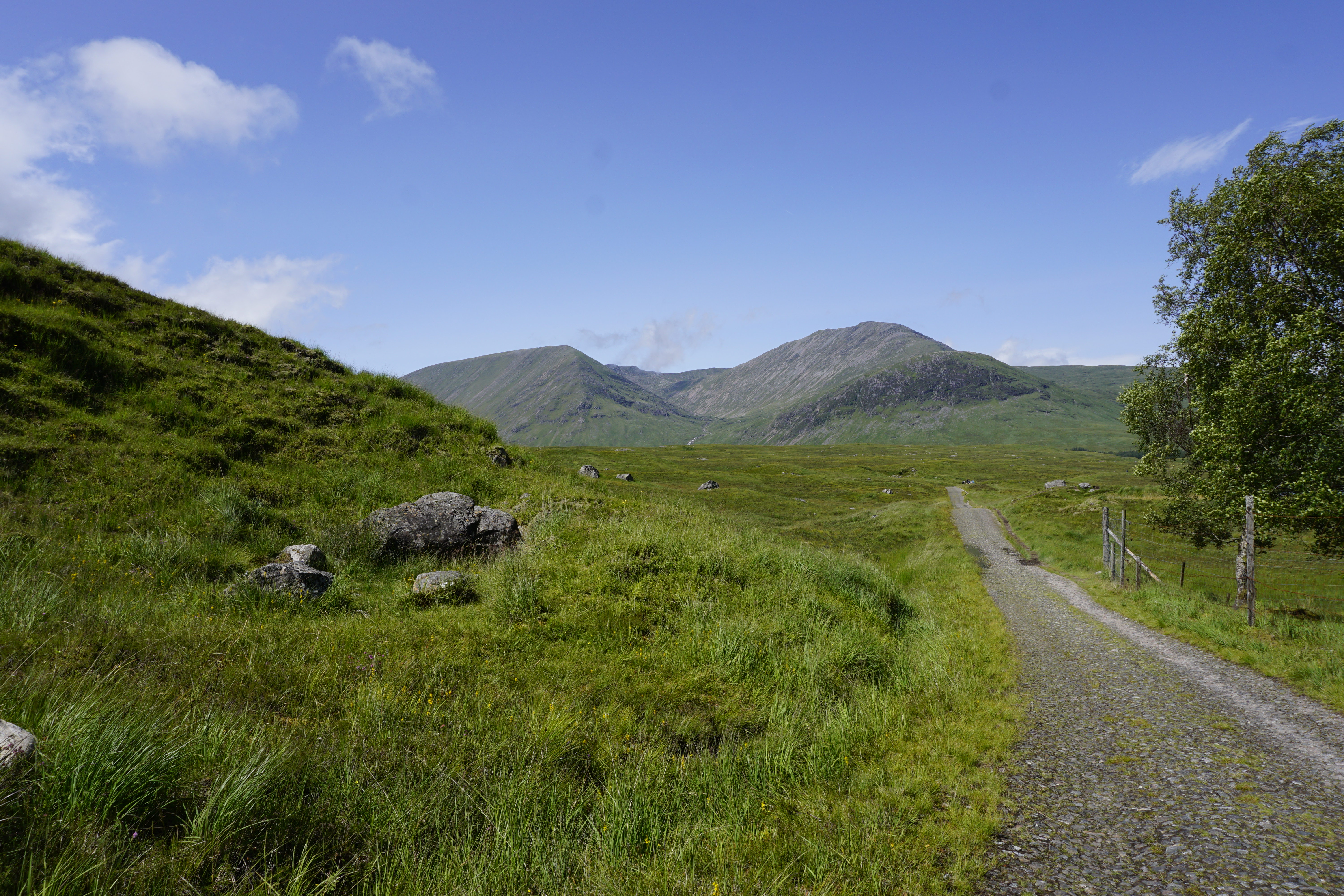
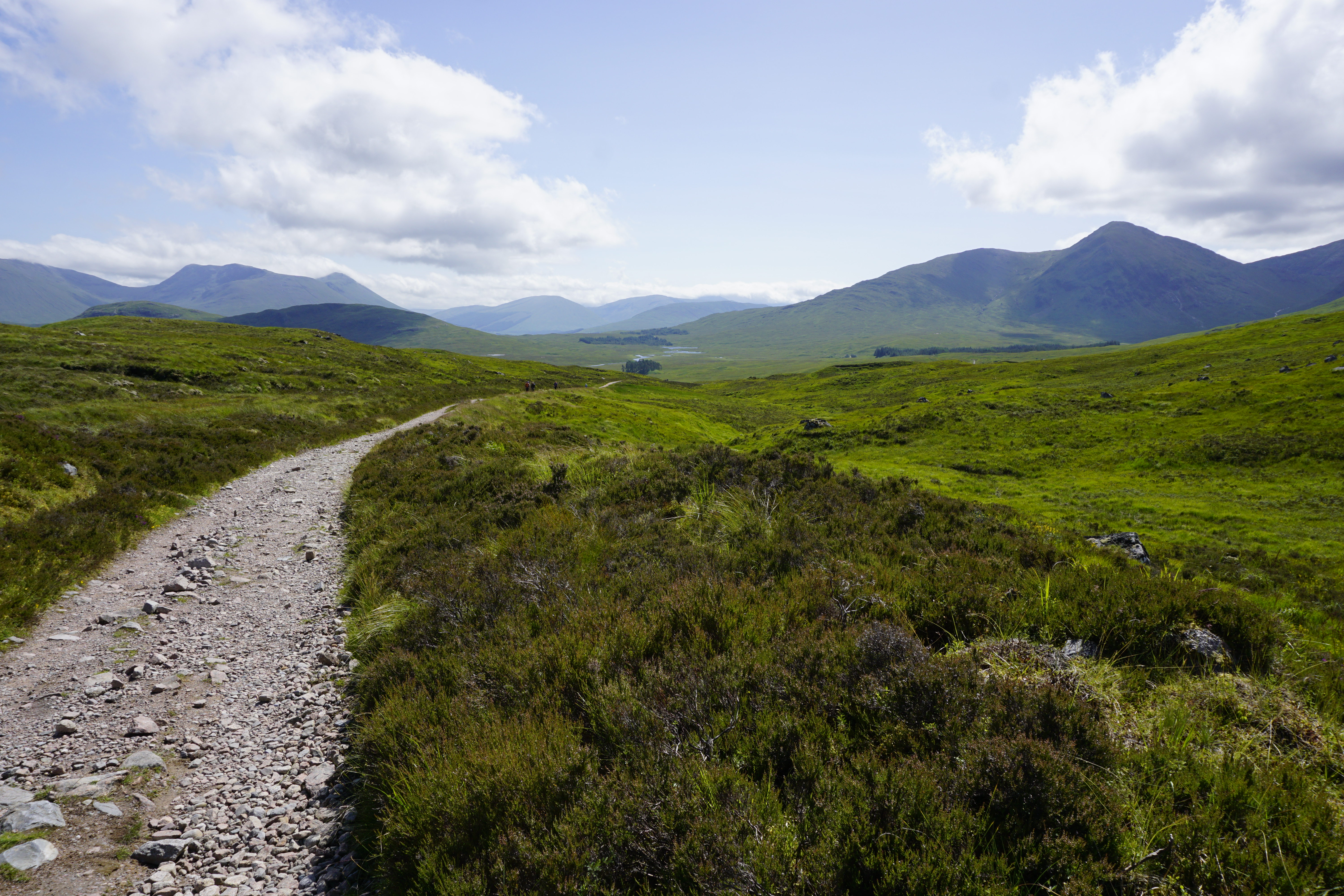
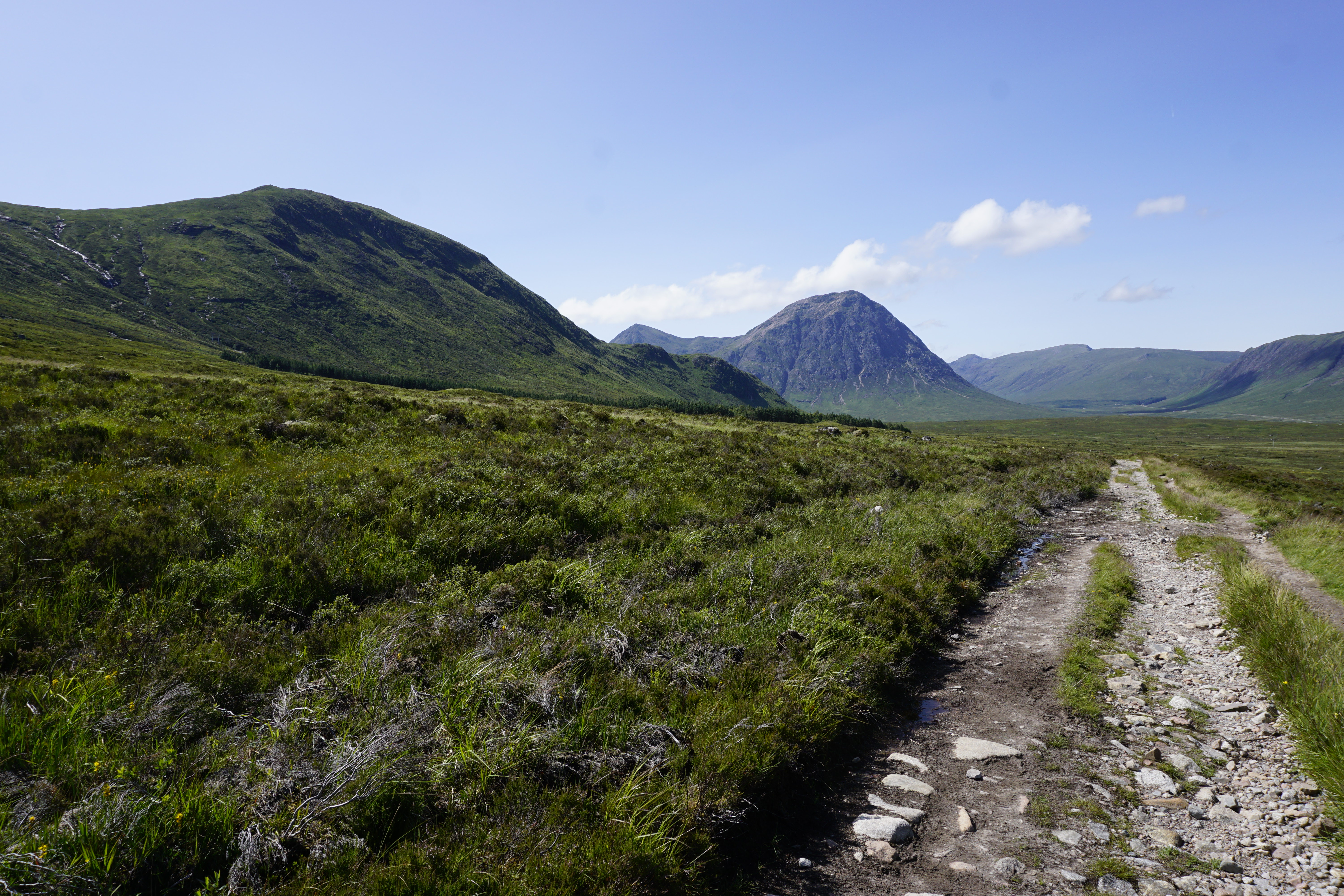
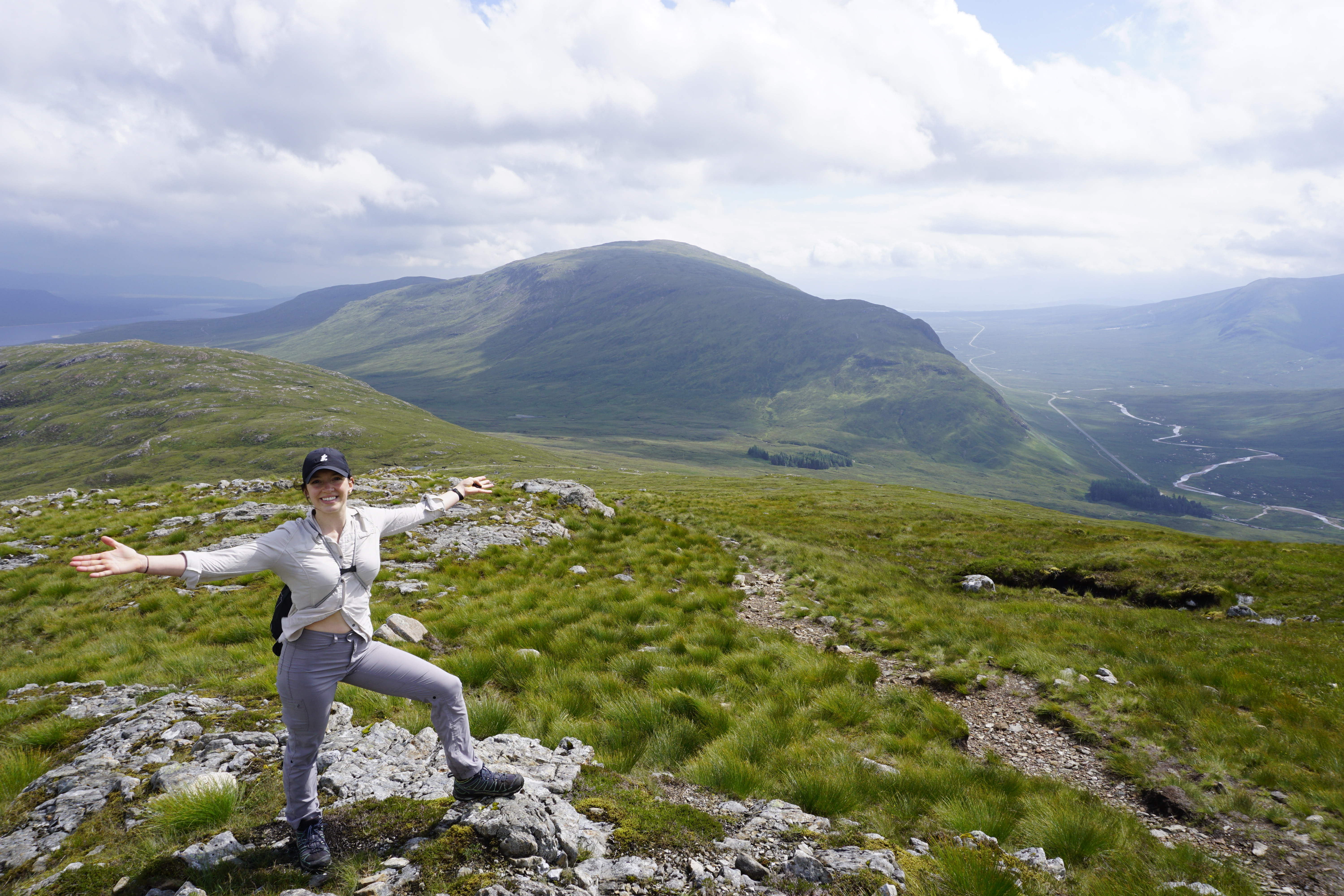
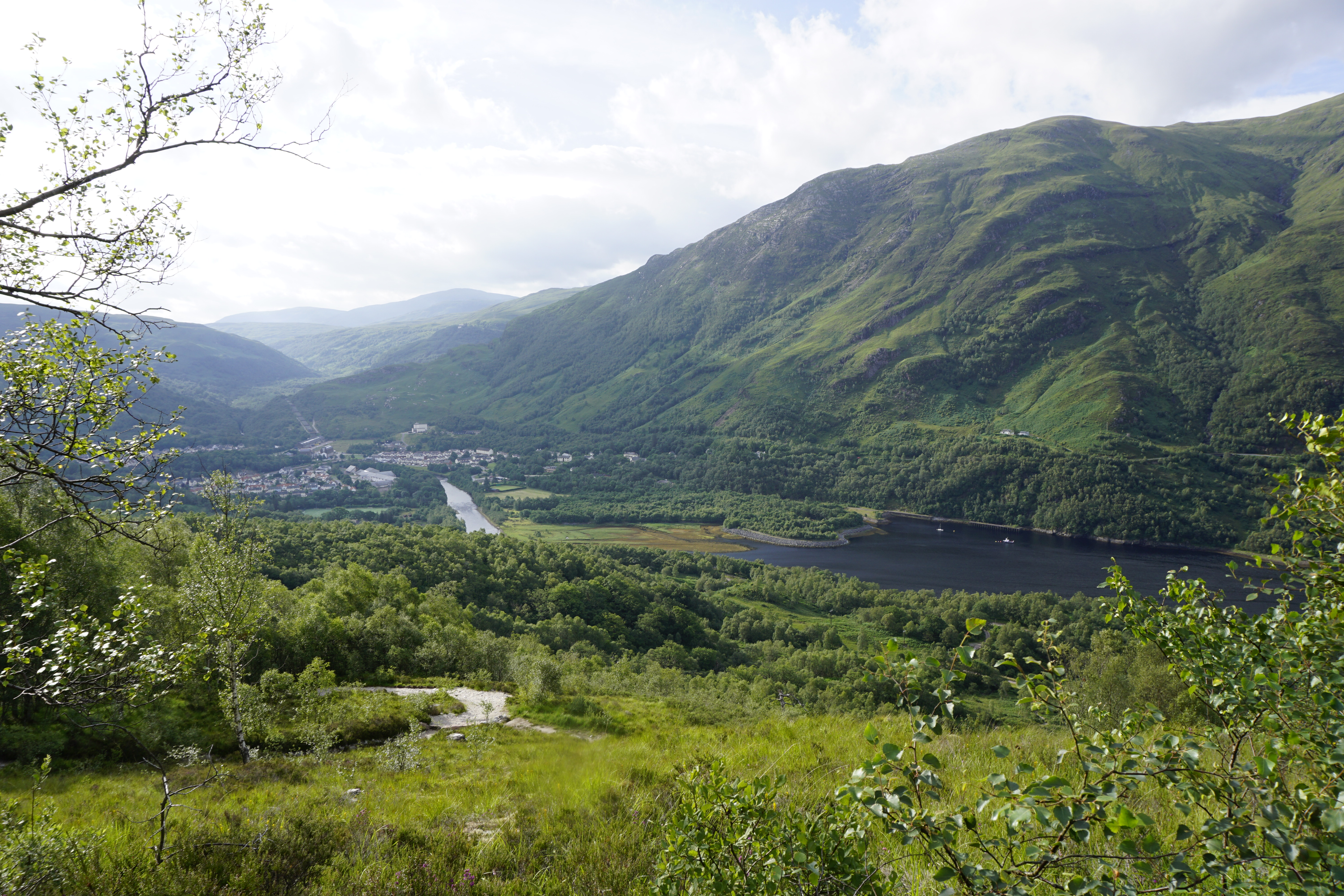
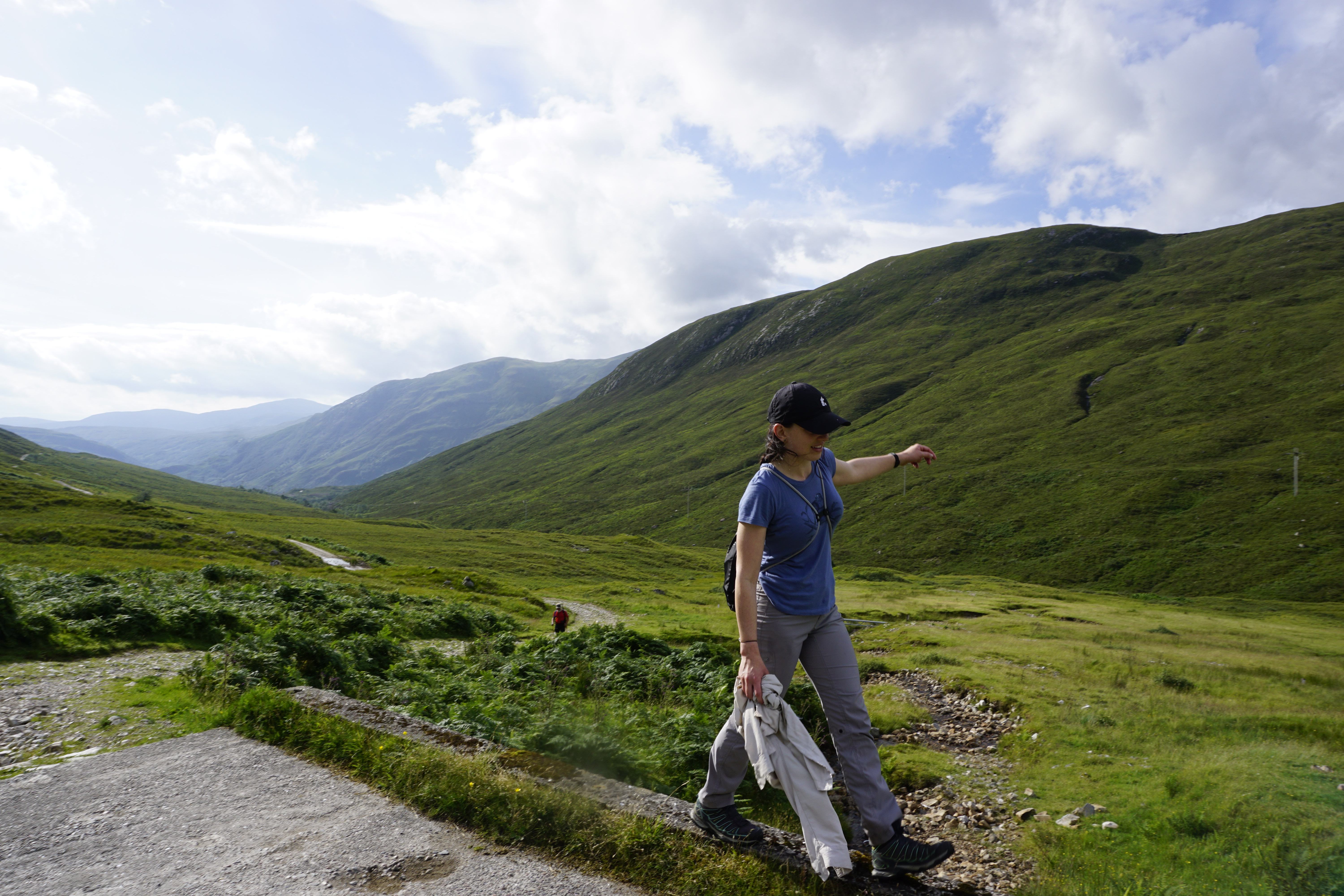
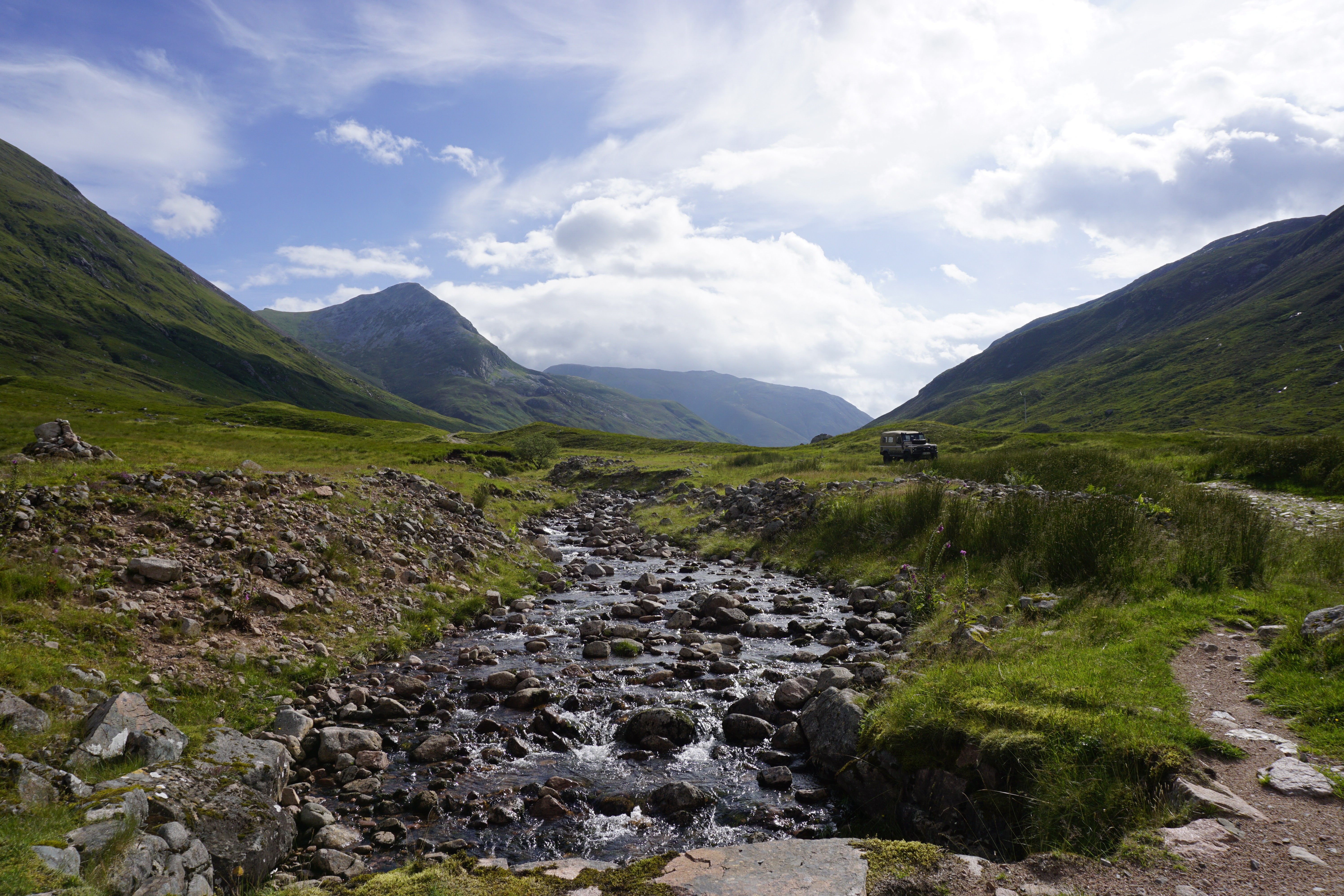
- Bring a camera: There are just too many beautiful vistas to not take photos.
- There’s reception: Yep! You read it correctly, there’s phone service most of the way in between Milgavie and Fort William. The phone reception is quite consistent along the Way, however there are certain locations where you may loose reception for a little while. No biggie!


 Amateur Adventure Gal